The First AI-Native Composite
The First AI-Native Composite
Designed by Function. Built by Intelligence.
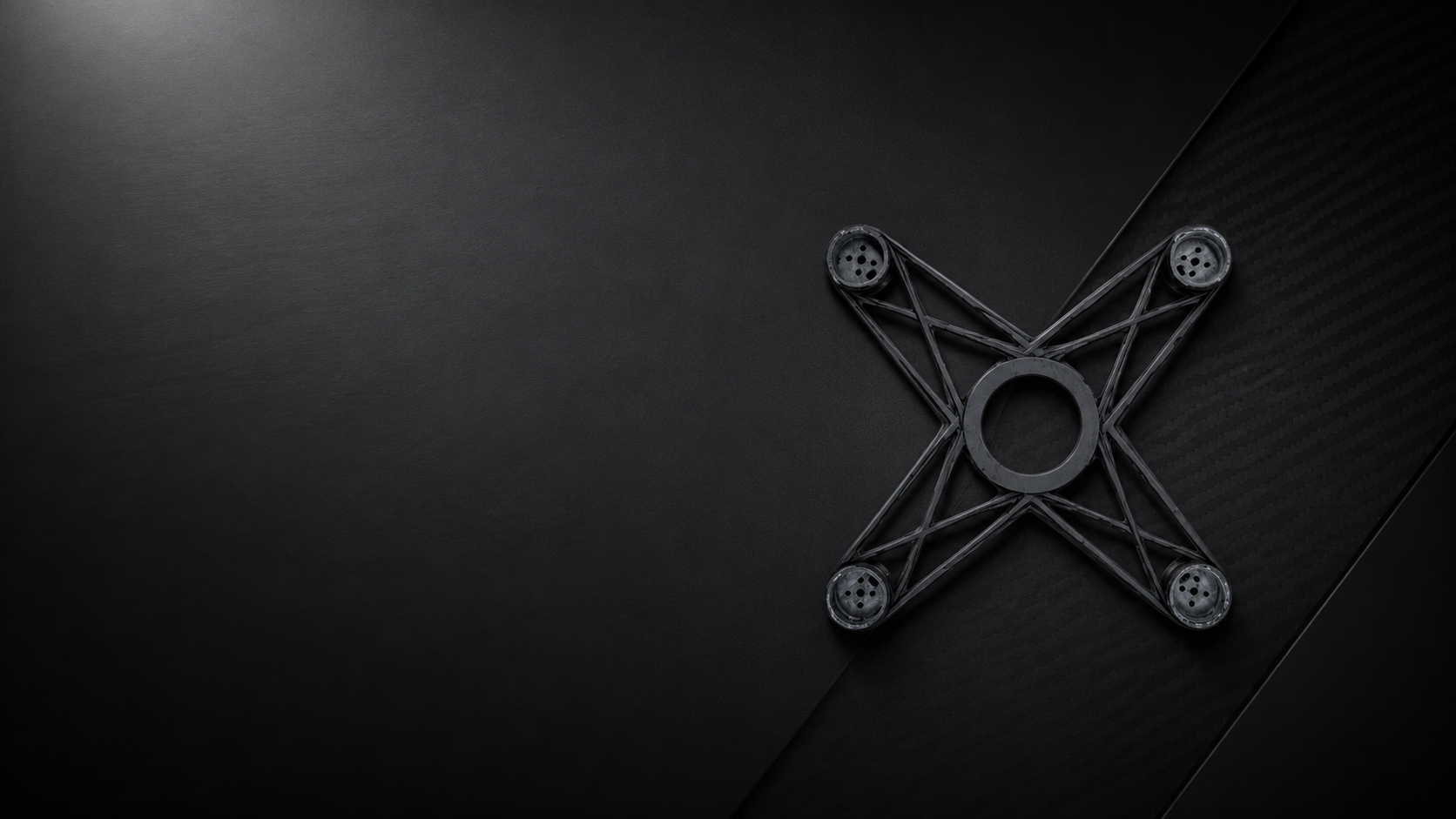
From function to fiber to structure, AI turns application requirements directly into optimized geometry, fiber architecture, and manufacturing instructions, seamlessly unifying how a composite is designed with how it is made.From function to fiber to structure, AI turns application requirements directly into optimized geometry, fiber architecture, and manufacturing instructions, seamlessly unifying how a composite is designed with how it is made.
From digital design to robotic production
From digital design to robotic production
AI interprets geometry, develops continuous-fiber paths, validates the production sequence, and translates those paths into coordinated robotic movements—creating a faster, adaptable workflow from digital form to composite structure.
AI interprets geometry, develops continuous-fiber paths, validates the production sequence, and translates those paths into coordinated robotic movements, creating a faster, adaptable workflow from digital form to composite structure.Interpret the part geometry, structural features, and spatial relationships.1 - Geometry

Generate continuous-fiber paths around the structural nodes.2 - Fiber pathing
Simulate the process and verify the paths before manufacturing.3 - Validation
Convert validated paths into coordinated robotic motion.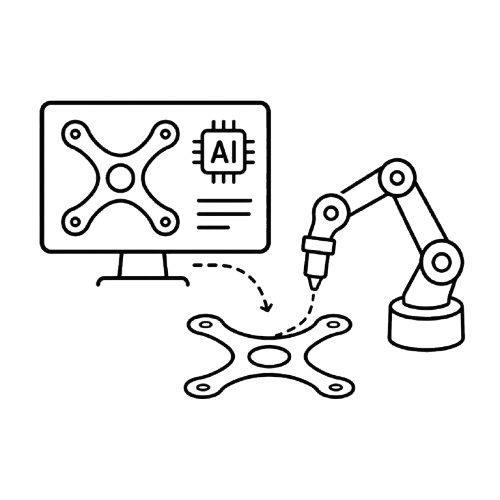
4 - Robotic processing
By connecting AI-guided planning, validation, and autonomous robotic production within one digital workflow, we eliminate manual planning and programming while allowing new composite designs to move from digital form to robotic manufacturing within hours.
Rapid Production

Winding Cycles as Short as Five Minutes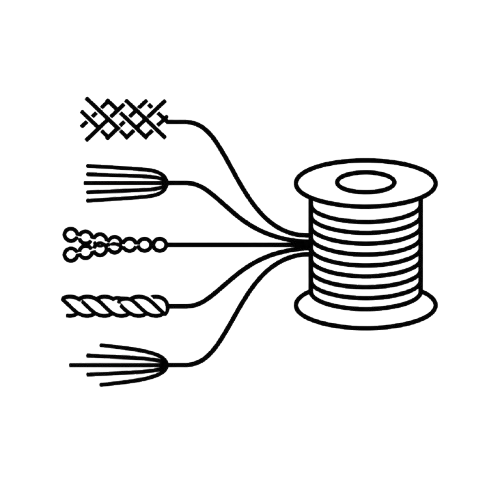
Material Flexibility
Supports carbon, glass, natural, and other continuous-fiber reinforcements
Weight Efficiency
Load-aligned fibers provide strength with less materialTrue 3D Reinforcment
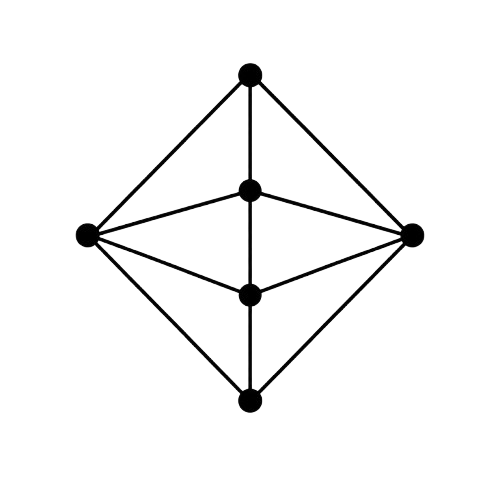
Continuous fibers form spatial structures beyond conventional composite layups.By connecting AI-guided planning, validation, and autonomous robotic production within one digital workflow, eliminating manual planning and programming while allowing new composite designs to move from digital form to robotic manufacturing within hours.
Customer advantages
Shorter lead times from concept to finished part
Better performance through lightweight, application-driven structures
Better performance through lightweight, application-driven structures
Lower upfront costs without custom molds
Customer advantages
Shorter lead times from concept to finished part
Greater customization around specific project requirements
Lower upfront costs without custom molds
Greater customization around specific project requirements
Our first composite product: drone frames
Our first composite product: drone frames
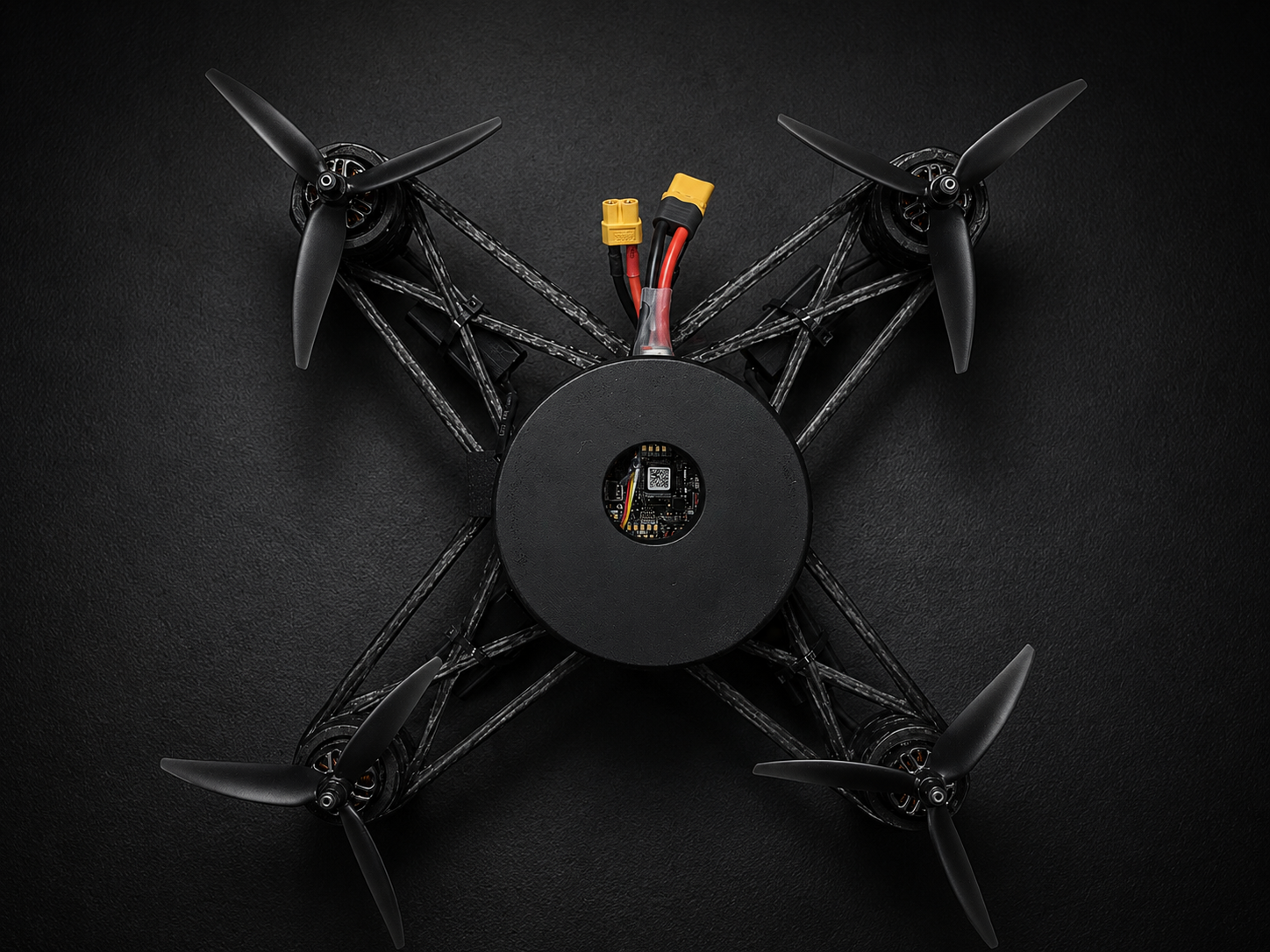
CarbonForm’s first application of this technology is the production of continuous-fiber composite drone frames.
CarbonForm’s first application of this technology is the production of continuous-fiber composite drone frames.